Free-Pour vs. Jigger: What Your Measurement Method Is Really Costing You
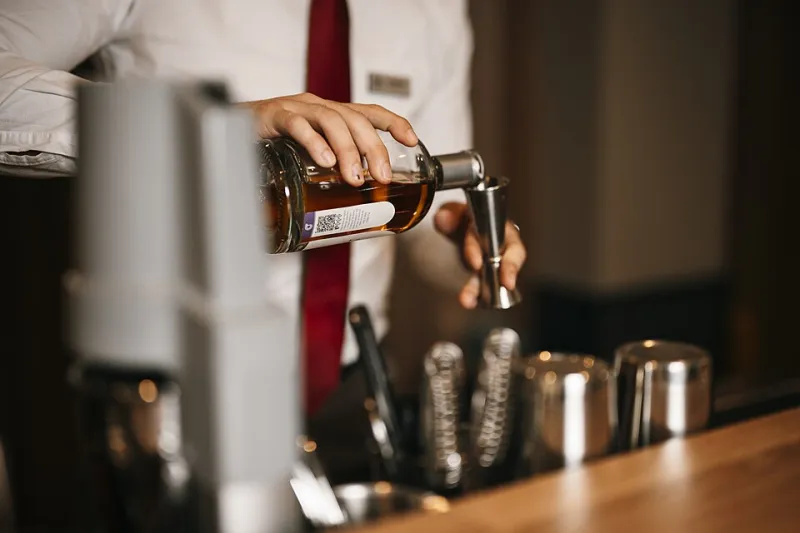
Photo: Shixart1985, CC BY 2.0, via Wikimedia Commons
Every bar has an opinion on this one. Some swear by the free-pour — it's fast, it looks good, it keeps the line moving. Others run tight jigger-based programs where every ounce is accounted for. And increasingly, a third camp is reaching for high-tech measuring tools that promise the best of both worlds.
But here's the thing: most operators pick a methodology and stick with it based on habit, vibe, or what they learned coming up. Very few are actually running the numbers. And when you do run the numbers, the results are often surprising — and sometimes uncomfortable.
This isn't about which method looks coolest behind the bar. It's about understanding the full economic picture of how your team pours, because that picture has a direct line to your profitability.
The Hidden Costs Nobody Talks About
The conversation around pouring methodology usually centers on speed versus accuracy. But that framing misses a big part of the equation. The real costs — the ones that quietly erode your margins — show up in four areas: waste, training, consistency, and liability.
Let's take them one at a time.
Waste is the most obvious. A bartender who consistently free-pours 1.6 oz when the recipe calls for 1.5 oz doesn't sound like a big deal. But multiply that tenth of an ounce across hundreds of drinks a night, across a full staff, across a year — and you're looking at a meaningful volume of product that was given away for free. Industry estimates suggest that over-pouring can account for 10–25% of liquor loss in bars that don't measure consistently. That's before you even get to spillage and misbuilds.
Training is where free-pour programs often underestimate their true cost. Teaching someone to pour accurately without a jigger takes time — typically several weeks of practice before a new hire is consistently hitting target pours. During that ramp-up period, you're absorbing the cost of their inaccuracy. Jigger-based programs have a much shorter training curve. A new bartender can be pouring to spec within days rather than weeks.
Consistency affects both your margins and your guest experience. If one bartender's Manhattan tastes noticeably stronger than another's, guests notice — and not always in a good way. Inconsistent pours mean inconsistent flavor profiles, which undermines the integrity of your cocktail program and can create guest complaints that cost you in comps and reputation.
Liability is the one nobody wants to talk about, but it's real. Over-serving is a legal exposure, and bars in states with dram shop laws can face serious consequences for serving visibly intoxicated guests. Free-pour programs, by their nature, make it harder to track exactly how much alcohol any given guest has consumed over the course of a visit.
Breaking Down the Methods
Free-Pouring
The appeal is real. A skilled bartender who can free-pour accurately is fast, fluid, and impressive to watch. At high-volume bars — think busy weekend nights at a neighborhood spot or a hotel lobby bar — speed is a genuine revenue driver. Faster pours mean more tickets, and more tickets mean more revenue.
The problem is "skilled." Free-pouring accurately requires practice, muscle memory, and discipline. Not every bartender has it, and even those who do can drift over time — especially during a long, busy shift when fatigue sets in. The accuracy cost is real and ongoing.
Free-pour programs work best in high-volume, lower-complexity environments where the drink menu is relatively simple and the priority is throughput. If you're running a craft cocktail program with tight specs and premium ingredients, free-pouring is a harder sell.
Jigger-Based Measurement
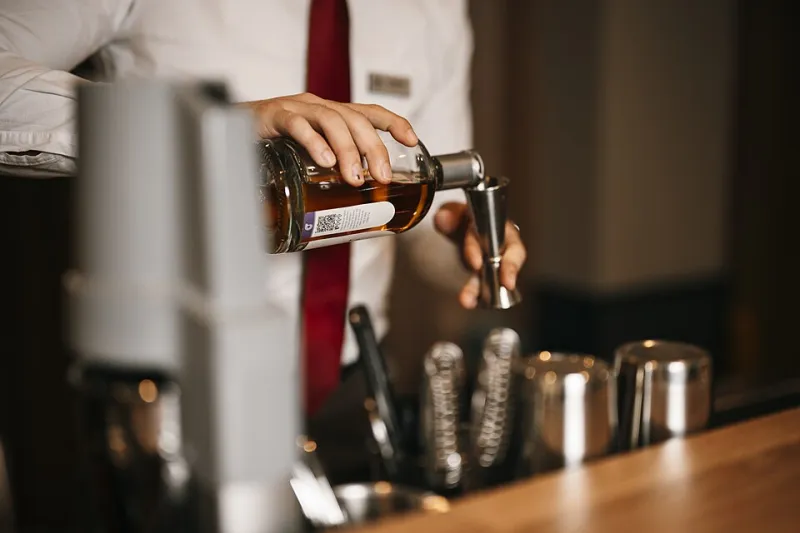
Jiggers slow things down — there's no getting around it. A bartender using a jigger is adding a step to every pour, and that adds up during a rush. But the tradeoff is accuracy, and accuracy has a dollar value.
Research from bar consulting firms consistently shows that jigger-based programs reduce over-pouring and liquor loss significantly compared to free-pour operations. When your pours are tight, your cost of goods stays predictable, and your cocktail margins hold.
For craft cocktail bars, tasting menus, and any program where ingredient cost is high and consistency is a brand promise, jiggers aren't optional — they're infrastructure.
The key to minimizing the speed penalty is tool selection and workflow. A well-designed jigger (look for the Cocktail Kingdom Leopold or OXO options that are popular in US bar programs) used by a trained bartender adds only a few seconds per drink. Over a full shift, that's manageable.
High-Tech Measuring Tools
A newer category of solutions — including digital pour spouts, smart dispensing systems, and app-connected measurement tools — promises to bridge the gap between speed and accuracy. Some of these systems can pour to spec automatically, track inventory in real time, and flag over-pours instantly.
The upside is obvious. The downside is cost and complexity. These systems require upfront investment, staff training on new technology, and ongoing maintenance. For high-volume operations with significant liquor budgets, the ROI can be compelling. For smaller independent bars, the math is harder.
If you're considering this route, start with a pilot program at one station before committing to a full rollout. The data you collect in the first 60 days will tell you whether the investment makes sense for your specific operation.
What the Data Actually Suggests
There's no universal answer here — the right methodology depends on your volume, your menu complexity, your staff tenure, and your margin targets. But a few conclusions hold pretty consistently across bar operations of different sizes:
- Jigger programs almost always reduce liquor cost percentage compared to free-pour programs, even after accounting for the slight speed reduction.
- Free-pour programs can be profitable — but only when staff training is rigorous, ongoing, and actually enforced. A free-pour program without a testing and accountability system is a money leak.
- Technology solutions make the most sense for high-volume operations where the cost of labor and liquor loss at scale justifies the investment.
- Hybrid approaches are underutilized. Many bars use jiggers for premium and craft spirits while free-pouring well spirits and beer. This captures the accuracy benefit where it matters most financially.
The Real Question to Ask
Before you decide which system to run, ask yourself this: do you actually know what your current pour methodology is costing you? Pull your liquor cost percentages. Compare them against industry benchmarks (typically 18–24% for full-service bars). If you're running high, your pour system is a logical place to look.
The best bar operators we've seen aren't religious about any single methodology. They're curious about the numbers, willing to test, and quick to adjust. That's the mindset that keeps margins healthy — and keeps the program moving forward.