Small Batch, Big Returns: How Craft Spirits Are Reshaping Bar Menus Across America
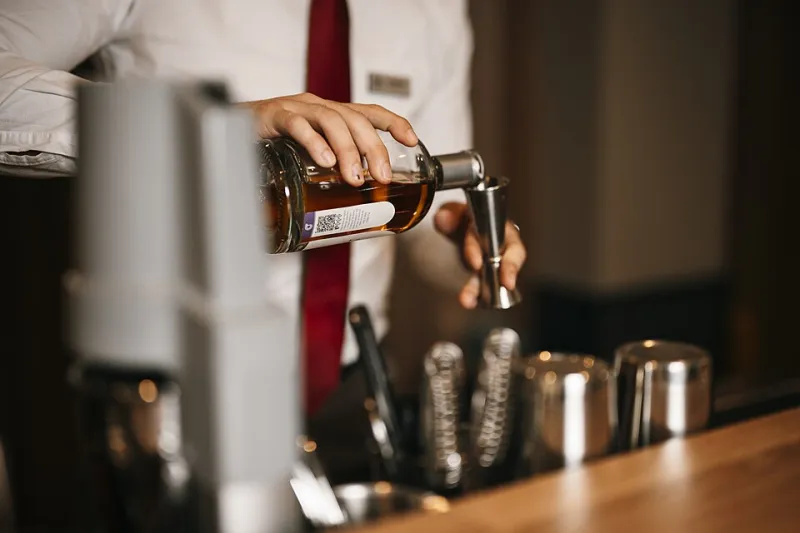
Photo: craft distillery bartender small batch spirits bottles, via blogger.googleusercontent.com
Walk into almost any serious cocktail bar in Austin, Portland, Chicago, or Brooklyn right now, and you'll notice something: the well is getting interesting. Not just the back bar — the well. Bartenders who once defaulted to recognizable national labels are quietly swapping them out for bottles from distilleries most guests have never heard of. And it's not just an aesthetic choice. There's real money behind the movement.
Craft spirits sales in the US have been climbing steadily, and 2024 is shaping up to be a turning point. According to data from the American Craft Spirits Association, craft distilleries now account for a growing slice of overall spirits revenue — and consumer behavior is backing that up. Guests are asking questions. They want to know where the whiskey comes from, how the gin is botanically sourced, what makes this mezcal different from the one at the chain restaurant down the street.
For bar professionals, that curiosity isn't just flattering — it's an opportunity.
Why Bartenders Are Making the Switch
The short answer: craft spirits give bartenders something to talk about. And in an era where hospitality is as much about storytelling as it is about liquid quality, that matters enormously.
"When I can tell a guest that the rye we're using was grown within 50 miles of the distillery, that conversation changes the whole experience," says one bar director at an independent cocktail lounge in Nashville. "People feel like they're part of something. And honestly, so do I."
But beyond the romance of it, there's a practical dimension. Craft spirits often carry higher suggested retail prices, which can support stronger cocktail pricing — especially when the menu narrative does the heavy lifting. A $16 cocktail built around a recognizable mega-brand can feel like a tough sell. The same price point behind a compelling origin story? Much easier.
There's also the question of differentiation. In a saturated market where every bar has access to the same national brands, featuring a limited-production amaro from a small Colorado operation or a single-barrel bourbon from a Kentucky micro-distillery creates a menu that genuinely can't be replicated down the street.
The Categories Generating the Most Buzz
Not all craft segments are created equal, and right now, a few categories are particularly hot among beverage professionals.
American Single Malt Whiskey is having a moment. With the TTB formally recognizing it as an official category in 2024, distilleries across the Pacific Northwest, the Northeast, and even the South are releasing expressions that are drawing serious attention from whiskey nerds and casual drinkers alike. It's a category with room to grow and a story that's easy to tell.
Agave spirits beyond tequila — specifically sotol, raicilla, and regional mezcals — continue to gain traction in markets where mezcal has already established a foothold. Bartenders who got ahead of the mezcal curve are now evangelizing for these lesser-known expressions, and guests who trust those recommendations are following.
Domestic gin is also worth watching. A new generation of American craft distillers is moving beyond the classic London Dry template, leaning into regional botanicals and terroir-driven profiles that make for genuinely distinctive cocktails.
Craft rum — long overshadowed by its island-produced counterparts — is quietly building credibility, with distilleries in states like Louisiana, Hawaii, and New York producing expressions that are starting to show up on serious cocktail menus.
Building Relationships That Actually Work
Here's where a lot of operators miss the opportunity: they treat craft spirit sourcing as a one-time purchasing decision rather than an ongoing relationship. The bars that are really winning with craft programs aren't just buying bottles — they're building partnerships.
Many small distilleries are actively looking for on-premise champions. They'll come in for staff trainings, provide tasting samples, offer exclusive allocations to accounts that move volume, and in some cases, collaborate on house-made expressions or barrel picks. That kind of access is virtually impossible with a major national brand.
A few practical steps for operators looking to develop these relationships:
- Go direct when you can. Many craft distilleries have sales reps or brand ambassadors who are eager to connect with bar accounts. Reach out through their websites or at industry events like Tales of the Cocktail or regional spirits festivals.
- Start with a feature, not a commitment. Introduce a craft spirit through a seasonal cocktail or a limited-time menu item before committing to well placement. It lets you test guest response without overextending.
- Ask about barrel programs. Single-barrel picks and custom aging programs are a serious differentiator. Even a modest purchase can yield a house-exclusive product that becomes a genuine menu anchor.
- Train your staff. A craft spirit is only as powerful as the person explaining it. Build education into your pre-shift routine. Bartenders who are genuinely excited about a product sell it — and that enthusiasm is contagious.
What This Means for Your Bottom Line
Let's be real: craft spirits often cost more per bottle. That's a legitimate concern, and it's worth running the numbers honestly. The key is understanding that the premium price point can support a higher cocktail ticket — but only if your team is equipped to justify it.
The bars seeing the strongest returns from craft-forward programs are the ones treating it as a full-stack investment: better product, better storytelling, better staff knowledge, and smarter menu design. When all of those elements are aligned, the margin math tends to work out.
The mass-market brands aren't going anywhere — they have their place, and volume still matters. But the bartenders and operators who are building something distinct right now are increasingly doing it one small-batch bottle at a time. That's not just a trend. It's a signal about where the industry is heading.