Is Your POS System the Slowest Bartender on Your Staff?
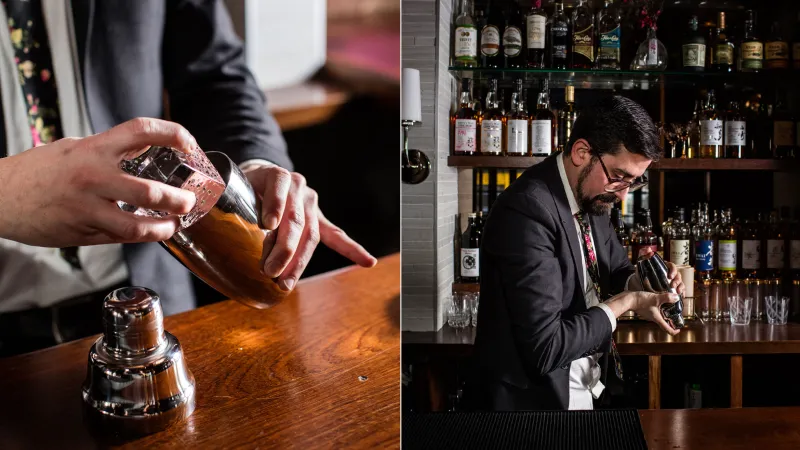
Photo: bartender using touchscreen POS system at busy bar counter, via assets-prd.punchdrink.com
You hired fast hands. You trained them well. You stocked the right bottles and built a menu worth ordering from. But on a packed Friday night, tickets are backing up, guests are flagging down your bartenders with that look, and the whole operation feels like it's running through wet concrete.
The instinct is to blame staffing. Maybe you're short a body. Maybe the new hire isn't keeping up. But before you post another job listing, take a hard look at something most operators overlook until it's a full-blown crisis: your point-of-sale system.
Because in a lot of bars across the country, the POS isn't just a tool—it's a bottleneck. And it's costing you more than you think.
The Hidden Tax on Every Transaction
Every time a bartender interacts with your POS, there's a time cost. Swipe to wake the screen. Navigate to the right menu page. Find the modifier. Apply the split. Process the card. Print the receipt. That's fine when the bar's half-empty at 6pm. It's a disaster when you've got 40 people deep at 9:30 on a Saturday.
Research from hospitality tech consultants consistently shows that poorly configured POS systems can add anywhere from 15 to 45 seconds per transaction. Multiply that across hundreds of orders a night and you're looking at hours of lost productivity—and a bar that physically cannot serve as many drinks as it should.
The money doesn't just walk out the door in the form of unhappy guests. It walks out because you're producing fewer drinks per hour than your space and staffing should allow.
Menu Architecture: The Stuff Nobody Talks About
Here's something that doesn't come up enough in bar operations conversations: how your menu is built inside your POS is just as important as how it's designed on paper.
A lot of operators set up their POS during opening week when everything is chaos, and then never revisit it. Drinks get added ad hoc. Seasonal items get buried three menus deep. Modifiers stack up in ways that made sense at the time but create friction now. Bartenders end up doing a mini scavenger hunt every time someone orders something slightly off-menu.
The fix here isn't complicated, but it does require a dedicated audit. Pull your most-ordered drinks and map out exactly how many taps it takes to ring each one. If your top-selling cocktail requires more than three or four interactions to enter, that's a problem worth solving. Reorganize your menu layout around volume and frequency, not aesthetics.
Printer Delays and the Domino Effect
For bars that run any kind of food program—even just bar snacks or shareable plates—kitchen printer delays create a ripple effect that slams the whole operation. A ticket that takes 10 extra seconds to print on the kitchen side doesn't sound like much. But when that delay causes a bartender to hover, wait for confirmation, or re-enter an order they're not sure went through, you've just introduced uncertainty into the workflow.
Uncertainty is the enemy of speed.
Check your printer connections regularly. Wired setups are still more reliable than wireless in high-humidity, high-heat bar environments. If you're running on WiFi-connected printers and experiencing phantom delays, that's worth investigating before you assume your staff is underperforming.
Also worth auditing: whether your bar actually needs a printer at all, or whether a display screen setup would reduce the physical steps involved in each order.
Payment Processing Bottlenecks Are a Real Thing
Card processing speed varies more than most operators realize. Older systems using dial-up or slower broadband connections can add two to five seconds per transaction just on the authorization side. Again—sounds small. Isn't small.
If you're still running payment hardware that came with your original POS package from five-plus years ago, it's worth looking at whether an upgrade would actually pay for itself in throughput gains. Modern tap-to-pay and contactless options process significantly faster, and in a high-volume environment that difference adds up across a full service.
Some operators have also found success with tab-based systems that reduce the number of individual card transactions during peak hours. Opening a tab at the start of the night and closing it once is one interaction. Running a card for every round is ten. The math is obvious once you see it laid out.
Integration Failures: When Your Tech Stack Fights Itself
A lot of modern bar setups involve multiple platforms talking to each other—POS, inventory management, reservation systems, loyalty programs. When these integrations work, they're genuinely powerful. When they don't, they create a special kind of chaos that's hard to diagnose because the failure point isn't obvious.
Common culprits: inventory systems that haven't synced properly, causing item availability confusion at the POS. Loyalty program integrations that slow down the checkout process while the system searches for a customer profile. Reservation platforms that push data to the wrong terminals.
If your bartenders are regularly running into error messages, frozen screens, or unexpected system behavior during service, don't accept that as normal. It isn't. Document the specific failure points, bring them to your POS provider, and push for solutions. If your provider can't solve them, that's useful information too.
What a Real POS Audit Looks Like
You don't need to hire a tech consultant to do a basic operational audit of your system. Here's a straightforward approach:
Time your transactions. Have a manager or trusted staff member clock how long it takes to ring in your five most common orders from start to finish. Note where the friction is.
Shadow your bartenders. Watch how they actually use the system during service—not how they were trained to use it. Bartenders develop workarounds when the system is annoying, and those workarounds tell you a lot.
Review your modifier structure. Are modifiers adding time without adding value? Simplify where you can.
Check your hardware. Screens, card readers, and printers all have lifespans. Aging hardware degrades gradually, which makes it easy to miss.
Talk to your staff. They know exactly where the system is failing them. Ask directly, and actually listen.
The Bottom Line
Your POS system should be the fastest member of your team—or at least stay out of the way of the humans who are. When it becomes a friction point instead of a force multiplier, it doesn't just slow down individual transactions. It degrades the entire guest experience, frustrates your staff, and puts a hard ceiling on what your bar can earn in a given night.
The good news is that most of these issues are fixable without a full system replacement. A focused audit, a menu rebuild, and some hardware updates can make a significant difference. The bars that consistently outperform their competitors on volume aren't just better staffed—they've built a tech infrastructure that actually supports the work.
Your bartenders are ready to move fast. Make sure your system is ready to keep up.