Moonlighting Behind the Bar: What the Side Hustle Boom Means for Your Drinks Program
The After-Hours Economy Is Real, and It's Coming for Your Staff
Let's be straight about something: your best bartender probably made money last weekend that had nothing to do with you. Maybe they worked a private wedding in the Hamptons. Maybe they consulted on a cocktail menu for a hotel opening in Nashville. Maybe they've got a TikTok account with 40,000 followers who tune in every Thursday to watch them break down classic techniques. Whatever the hustle, it's happening—and it's only getting more common.
The gig economy didn't bypass the bar industry. If anything, it hit bartenders harder than most. Skilled drink-makers sit at a rare intersection: they've got a tangible, marketable craft, a built-in audience in their regulars, and a personality that translates well to content. That's a recipe for entrepreneurship whether you encourage it or not.
So the question for operators isn't whether your staff is building side income streams. It's what you're going to do about it.
What Bartenders Are Actually Doing Out There
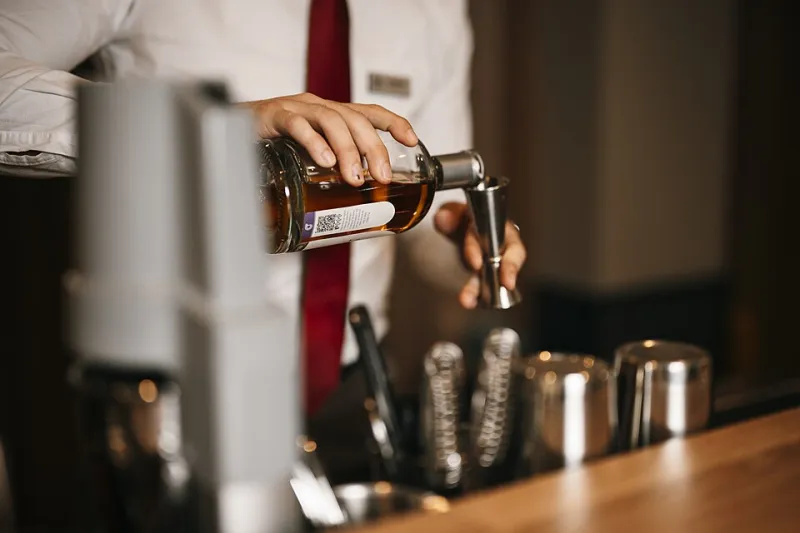
The side hustle landscape for bartenders has gotten surprisingly sophisticated. Private events are the most obvious play—corporate cocktail hours, bachelorette parties, intimate dinner parties where the host wants something more elevated than a cash bar. In major metros like New York, LA, Chicago, and Miami, experienced bartenders can pull $300 to $600 for a single private event, sometimes more if they're sourcing their own ingredients and building a custom menu.
Beyond events, consulting has become a legitimate revenue stream for bartenders with strong palates and solid industry reps. Restaurants opening a new bar program, hotels trying to punch up their lobby lounge, even CPG brands looking for someone to develop cocktail recipes for marketing campaigns—all of these represent real money that doesn't show up on your payroll.
And then there's content. Bartenders who've cracked the code on Instagram Reels or YouTube aren't just chasing clout. Sponsorship deals with spirits brands, affiliate revenue, paid partnerships with bar equipment companies—it adds up fast. Some are quietly making more from their online presence than from their shifts.
Why This Creates a Tension You Can't Ignore
Here's the uncomfortable part for operators: every hour your bartender spends building their personal brand is an hour they're not investing in yours. That's not a moral judgment—it's just math.
When a high-performing bartender starts stacking outside income, their calculus around your venue shifts. They're less dependent on the schedule you offer. They're more willing to call out for a lucrative private gig. They start thinking about your bar as one revenue stream among several rather than the center of their professional identity. And when a better opportunity comes along—whether that's a full-time consulting role, a brand ambassador gig, or just more private event work than they can handle—the exit becomes a lot easier to make.
Turnover among top talent is already one of the most expensive problems in bar operations. Losing a bartender who's become a genuine draw—someone your regulars follow, someone your junior staff learns from—is a cost that doesn't show up cleanly on a spreadsheet but absolutely shows up in your revenue.
The Smarter Move: Make the Side Hustle Part of the Job
Forward-thinking operators are starting to flip the script. Instead of treating employee side projects as a competitive threat, they're finding ways to fold them into the bar's own story.
One approach that's gaining traction is collaborative content. If your bartender has a following, give them something worth filming. Let them develop a seasonal cocktail on camera. Feature them in your own social content. Their audience becomes a marketing channel for your venue, and you're giving them a reason to stay connected to your brand even when they're building their own.
Another model involves formalizing the private event pipeline. Some bars are essentially acting as a booking agency for their staff—handling inquiries, taking a small cut, and sending their bartenders out under the bar's banner. It's a loyalty mechanism disguised as a perk. The bartender gets the gig, the bar gets brand exposure and a piece of the revenue, and everybody's incentivized to stay in the relationship.
Consulting is trickier, but there's a version that works here too. If your lead bartender is getting approached to consult on other menus, you've got two options: resent it or monetize it. Some operators have started positioning their venues as incubators—places where talent develops, and where that development has real market value. Leaning into that reputation, rather than fighting it, can actually make you a more attractive employer to exactly the kind of people you want to hire.
What Retention Actually Looks Like Now
The old retention playbook—competitive hourly rates, a good tip share, maybe some health benefits if you're a larger operation—isn't enough on its own anymore. Bartenders with real skills have options, and they know it.
What tends to keep talented people around is a combination of professional respect, creative latitude, and the sense that their growth matters to you. That might mean giving them real ownership over a section of the menu. It might mean sending them to Tales of the Cocktail or the Bar Convent in Brooklyn on the bar's dime. It might mean having an actual conversation about where they want to be in three years and figuring out how your venue fits into that picture.
None of this is revolutionary. It's just treating skilled bar professionals like the skilled professionals they are—something the industry has historically been bad at.
The Bottom Line for Operators
The bartenders who are building side hustles aren't doing it to disrespect your venue. They're doing it because the opportunity is there and the bar industry has never offered the kind of stability that makes people feel comfortable going all-in on one employer. That's a structural problem, and the gig economy didn't create it—it just gave people more options for working around it.
If you want loyalty from your best people, you have to make staying feel like the better deal. Not just financially, but professionally and creatively. The bars that figure that out are the ones that are going to hold onto the talent that makes a real difference.
Everybody else is just going to keep training people for somebody else's private events.