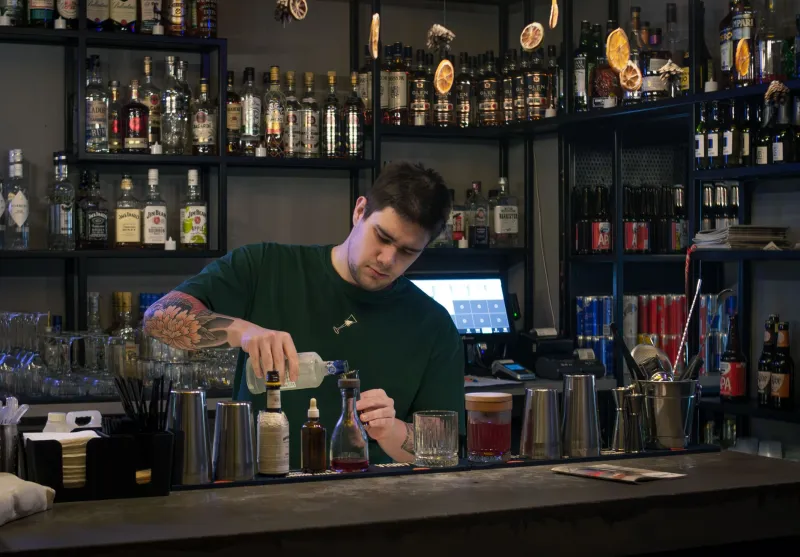
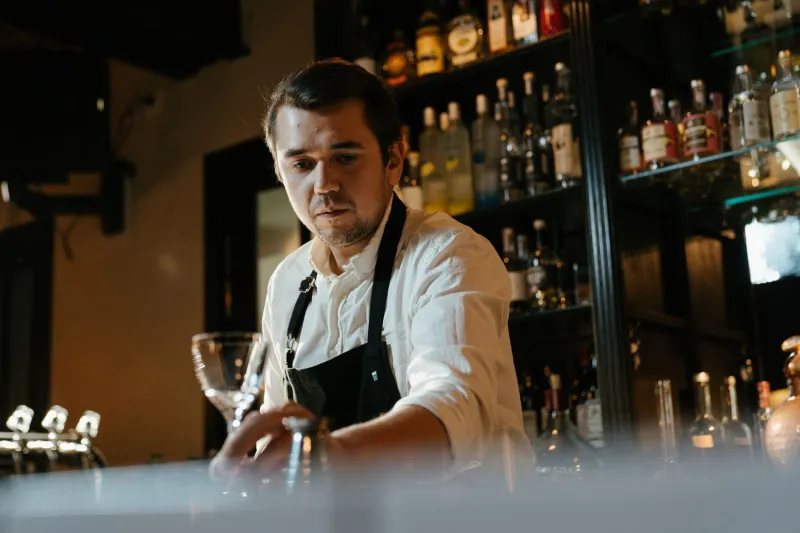
Losing the Night Shift: How Daytime Hospitality Is Poaching Your Best Bartenders
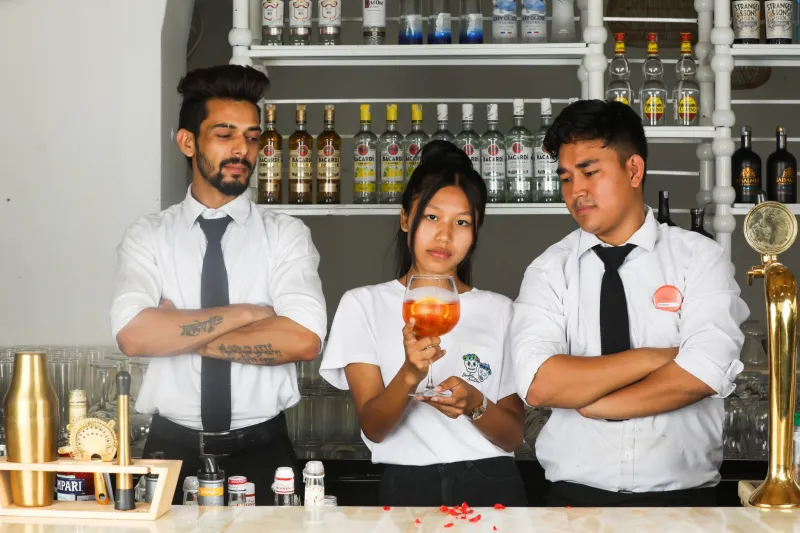
For decades, the bartender's world was built around a simple rhythm: show up around 4, pour until last call, cash out somewhere past midnight. It wasn't glamorous, but it was consistent. That rhythm is breaking down.
Across the country, a growing slice of skilled bartenders are trading late nights for morning and afternoon shifts — not because they burned out, but because the industry gave them somewhere better to go. Brunch programs at full-service restaurants, hotel lobby bars with 11 AM openings, elevated coffee concepts with spirits licenses, even corporate hospitality venues hosting daytime events. The daytime drinking economy is real, it's expanding, and it's coming for your staff.
If you run an evening-focused bar, this isn't a future problem. It's already happening.
Why the Day Shift Suddenly Looks So Good
Let's be honest about what late-night bar work actually asks of people. Irregular sleep schedules. Weekend and holiday lockouts. A social life that runs opposite to everyone else's. Physical exhaustion from standing on concrete floors until 2 AM. These aren't complaints — they're just the math of the job.
Now compare that to a hotel bar shift that runs 10 AM to 6 PM. You're home for dinner. You're available on weekends if you choose to be. You're not inhaling cigarette smoke in an alley at 1:30 AM waiting for the last table to leave. The physical and lifestyle toll is dramatically lower.
And here's what really stings: daytime operations are increasingly paying competitively. Hotel F&B programs, in particular, have gotten aggressive about compensation because they understand that a skilled bartender behind a lobby bar drives real revenue — and they budget accordingly. Brunch programs at higher-end restaurants often generate strong tip income during compressed, high-volume service windows. The money isn't always worse. Sometimes it's better.
Add in benefits packages — something the independent bar world rarely offers — and you start to understand why experienced bartenders are making the switch and not looking back.
The Talent Fragmentation Problem
Here's where this gets operationally ugly for evening-focused bars: it's not just about losing one or two people. It's about what happens to the talent pool over time.
The bartenders most likely to pursue daytime gigs are often your most experienced, most stable employees. They've been in the industry long enough to know what they want and savvy enough to find it. When they leave, you're not just replacing a body — you're replacing years of institutional knowledge, guest relationships, and the kind of quiet leadership that keeps a bar running smoothly on a busy Saturday.
What you're often left with is a split pool: younger bartenders still willing to work the grind of late nights, and a shrinking group of seasoned professionals who are either already gone or seriously considering it. Scheduling becomes a puzzle with missing pieces. You end up leaning harder on your remaining veterans, which accelerates their burnout, which speeds up their exit. It's a cycle that compounds quickly.
What Bars Are Getting Wrong About Retention
A lot of bar operators respond to this by doing one thing: offering more money. And while compensation matters, it rarely fixes the core issue on its own.
The bartenders leaving for daytime gigs aren't primarily leaving for a raise. They're leaving for predictability. They want to know when they're working more than four days out. They want to plan a vacation without negotiating a month in advance. They want to feel like their personal life isn't permanently subordinate to the bar's needs.
If your scheduling process is still built around posting shifts 72 hours out and expecting staff to just adapt, you're already operating at a disadvantage. Consistency and advance notice are table stakes now. Bars that get this right — that publish schedules two to three weeks out and actually stick to them — are reporting meaningfully better retention, even without dramatically increasing wages.
Beyond scheduling, think about what you're offering in terms of growth. Daytime hospitality venues often have clearer career ladders: lead bartender, bar manager, beverage director. If your bar's answer to "where can I go from here" is a shrug, you're not competing for career-oriented talent. You're just renting it temporarily.
Competing Across Dayparts Without Losing Your Identity
Some evening bars have responded to this shift by doing something counterintuitive: expanding their own hours. Adding a brunch service, a late-afternoon happy hour, or a weekend daytime program isn't just a revenue play — it's a staffing strategy. When you can offer a bartender a mix of day and evening shifts, you're suddenly a much more attractive employer than the bar down the street that only needs people after 5.
This doesn't mean you need to reinvent your concept. A cocktail bar that opens at noon on Saturdays for a low-key, well-curated daytime service is still a cocktail bar. You're not compromising your brand — you're making your operation more livable for the people who run it.
For bars that genuinely can't or don't want to add daytime service, the competition has to happen on other terms. Think about what you can offer that a hotel shift genuinely can't: creative freedom, a strong brand identity, a tight-knit team culture, a menu that lets skilled bartenders actually show their craft. These things matter to the right people. The key is being intentional about communicating them — in job postings, in interviews, and in how you run the room day to day.
The Scheduling Fix That Actually Moves the Needle
If you take one operational step after reading this, make it a real commitment to advance scheduling. Not just posting earlier, but planning earlier. Know your events, your expected volume, and your staffing needs three weeks out instead of three days out.
Pair that with a genuine conversation about shift preferences. Not every bartender wants the same thing. Some are fine with late nights but want Sundays protected. Others will work any shift if they get two consecutive days off. The bars that take the time to actually understand what their staff needs — and build schedules that reflect it where possible — are the ones holding onto talent while their competitors post job listings every other month.
The daytime hospitality boom isn't going away. Day-drinking culture, brunch as a social institution, and the expansion of beverage programs into hotels, stadiums, and corporate spaces have permanently widened the options available to skilled bartenders. Evening bars that treat this as someone else's problem are going to keep losing people and wondering why.
The ones that adapt — in how they schedule, how they communicate, and what they offer beyond a paycheck — are the ones that will still have their best bartenders behind the stick a year from now.