Killing Your Best Cocktails Before They Have a Chance to Breathe
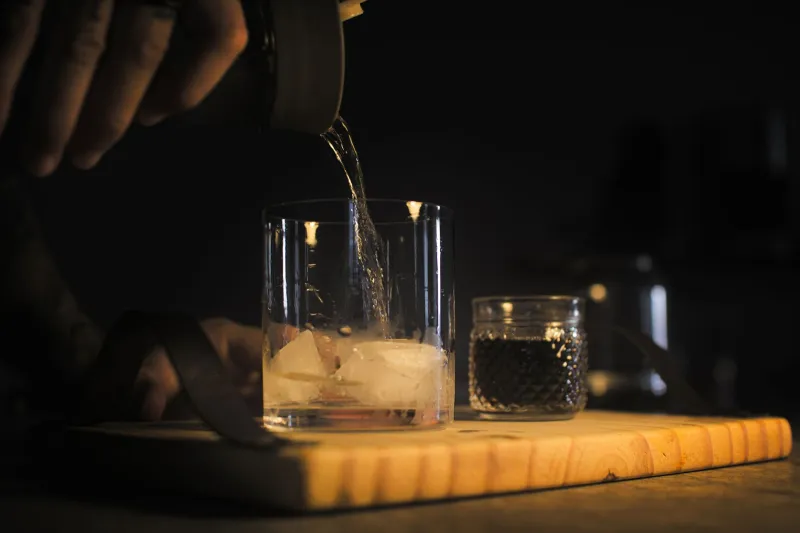
There's a pattern that plays out in bars across the country, from craft cocktail dens in Portland to hotel lounges in Miami. A bartender spends weeks developing a signature drink — sourcing the right amaro, dialing in the ratio, naming it something clever. It hits the menu, gets a few orders, earns some decent feedback. And then, somewhere around the 60 or 90-day mark, it quietly disappears, replaced by whatever seasonal ingredient just landed at the distributor.
Rinse. Repeat. Forever.
The cocktail graveyard is real, and most bars are filling it faster than they realize. The question isn't whether menu turnover happens — it's whether it's happening for the right reasons, or just out of habit.
The Trend Trap
The drinks industry runs on novelty. New spirits, new techniques, new flavor profiles — there's always something shiny coming down the pipeline, and bartenders (rightfully) get excited about it. Trade publications, Instagram, and industry competitions reward innovation. Nobody's writing think pieces about the bar that kept the same Old Fashioned riff on the menu for two years.
But here's the thing: your customers aren't reading those trade publications. Most of them aren't tracking what's trending at Tales of the Cocktail. They're coming in on a Friday night, and they want to order that smoky mezcal sour they had last month and thought about all week.
When that drink is gone, you haven't impressed them with your evolution. You've just disappointed them.
The trend trap convinces operators and bartenders that constant change signals quality and creativity. In reality, it often signals something less flattering — an inability to commit, or worse, a lack of confidence in the drinks themselves.
What 90 Days Actually Means
Think about the lifecycle of a cocktail from a pure marketing standpoint. In the first few weeks, only your most frequent regulars encounter it. Word-of-mouth hasn't kicked in. Staff are still finding their rhythm with the build. Maybe it's not even being recommended proactively yet.
By month two, the drink is starting to find its people. A few guests are coming back specifically for it. Your bartenders can make it in their sleep. The prep is dialed in and efficient.
By month three, you might be on the verge of something — a drink that actually defines your bar, that gets mentioned in a Yelp review, that someone orders on a first date and associates with a great memory.
And that's exactly when most bars pull it.
Ninety days isn't long enough for a cocktail to build a following. It's barely enough time for it to get broken in. The bars that develop truly iconic signature drinks — the ones that become part of their identity — are the ones that let those drinks breathe, iterate quietly, and accumulate the kind of guest loyalty that doesn't show up on a single week's sales report.
The Financial Case for Keeping Good Drinks Around
Beyond the guest experience argument, there's a straightforward operational case for menu stability that doesn't get talked about enough.
Every new cocktail costs you something. There's the R&D time — hours of tasting, tweaking, and debating. There's the training investment, getting your whole staff comfortable with a new build, a new garnish, a new set of questions from curious guests. There's often a new ingredient or two to source and stock, which means more SKUs, more shelf space, more potential for waste if the drink doesn't move.
When you cycle cocktails every 60 to 90 days, you're paying those costs constantly. Multiply that across a menu of eight to twelve signatures, and you're looking at a significant hidden expense that never shows up as a line item but absolutely affects your margins.
A drink that stays on the menu long enough to become a bestseller, on the other hand, is practically free to run. Staff execute it efficiently. Prep is streamlined. Guests order it without prompting. That's leverage — and most bars give it up too soon.
The Living Menu Approach
The solution isn't to freeze your menu in amber and never change anything. It's to think about your cocktail list as a living document rather than a seasonal reset.
Some of the most respected cocktail programs in the country operate this way. They have a core set of drinks that anchor the menu — sometimes for years — while leaving room around the edges for experimentation. A rotating seasonal slot or two, a bartender's choice feature, a limited-run special. These outlets satisfy the creative itch without blowing up the entire program every quarter.
The key is distinguishing between drinks that haven't found their audience yet and drinks that genuinely aren't working. Those are two very different problems, and they require different solutions. A cocktail with a weak concept or a flavor profile that doesn't resonate probably should go. But a well-built drink that just hasn't had time to develop a following? That one deserves more runway.
Data helps here. Track orders by cocktail, not just by category. If a drink is trending upward at the 60-day mark, even slowly, that's a signal to keep it. If it's flat or declining and guests aren't engaging with it when staff describe it, that's a different story.
Giving Your Staff a Reason to Sell It
One underrated factor in cocktail longevity is staff buy-in. Bartenders and servers are more likely to recommend drinks they know well and feel confident describing. When the menu flips constantly, that confidence never fully develops — staff are always playing catch-up, learning new builds and flavor narratives before they've fully internalized the last round.
Bars that commit to their signature drinks give their teams a chance to become genuine advocates. A bartender who's made the same cocktail 300 times knows exactly how to talk about it, how to pitch it to a hesitant guest, how to make it look effortless at the bar. That expertise is infectious. Guests can feel it.
Invest in training around your core menu, not just the new additions. Make sure every person on your floor can tell the story of your signature drinks — where the inspiration came from, what makes it different, why it's worth ordering. That kind of storytelling doesn't happen overnight. It develops over time, with repetition and genuine familiarity.
The Long Game
Building a bar program that lasts means resisting the pressure to constantly prove your relevance through novelty. The best drinks — the ones that become synonymous with a place, the ones guests travel across town for — got there because someone believed in them long enough to let them land.
Stop burying your best cocktails before the guests even know they exist. Give them time. Give your staff time. Give your regulars time to fall in love.
The graveyard doesn't have to keep filling up.