Ten Garnishes, Ten Hidden Bills: A Bartender’s Guide to Costing the Photo Op
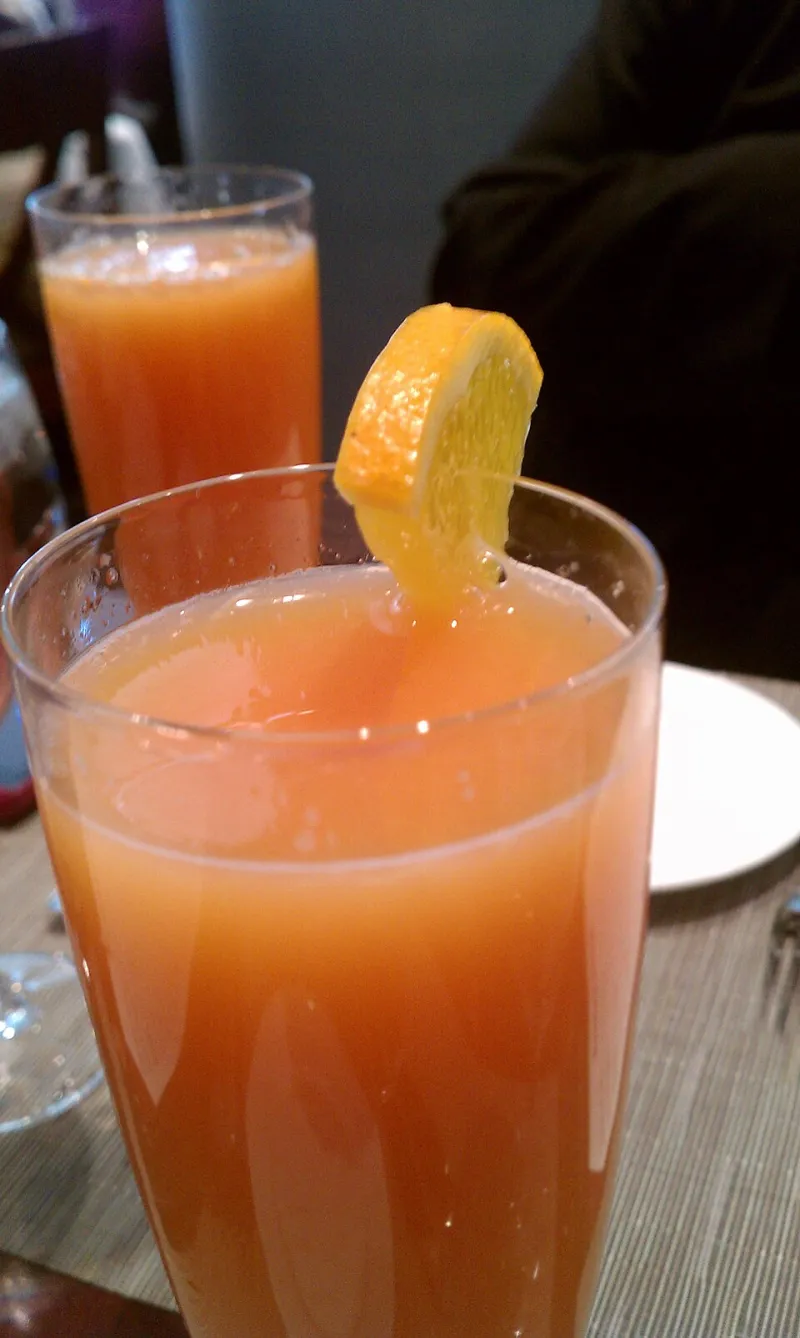
Photo: John Taylor, CC BY 2.0, via Wikimedia Commons
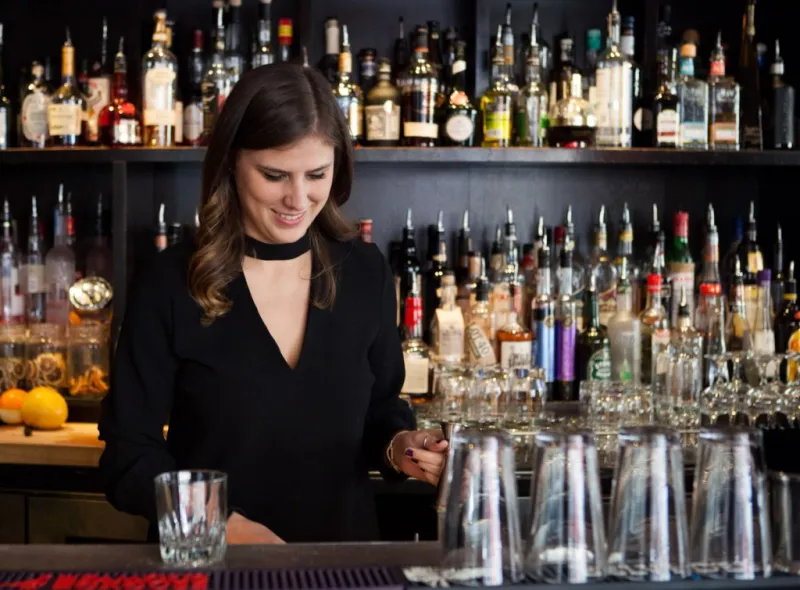
Every bar has a garnish budget. Most bars just do not know it. The citrus wheel, the mint sprig, the edible flower, the dehydrated lime that looks like a tiny stained-glass window: each one is a small purchase order with a labor line, a spoilage line, and a storage line attached. The garnish tax is real, and it is usually paid by the bartender at 11:45 p.m. with a paring knife and a bad attitude.
This is not an argument for serving naked drinks. It is an argument for costing the photo op. Here are ten common garnishes ranked by true cost, with the worst offenders and the swaps that still look good on camera.
How we ranked them
True cost is not the price per case. It is ingredient cost plus prep labor plus spoilage plus storage plus execution time, divided by the number of drinks that actually go out with the garnish intact. A cheap garnish that takes 20 seconds to cut and wilts by 9 p.m. is not cheap.
1. Fresh citrus wheels
The classic. A lime wheel looks effortless, which is exactly why it is expensive. You pay for the fruit, the labor to cut it, the labor to cut it again when it dries out, and the waste from wheels that are too thick, too thin, or too old. True cost: roughly $0.60 to $1.00 per drink in a busy craft bar. Swap: an expressed peel or a single coin only when the drink needs it. Put the wheel on the menu photo, not every glass.
2. Dehydrated citrus wheels
They last longer, but they are not free. You pay for the fruit, the oven or dehydrator time, the storage, and the breakage. A brittle wheel that cracks in the well is a garnish you cannot serve. True cost: $0.40 to $0.90. Swap: buy high-quality dehydrated wheels for the premium list and use a fresh peel for the well.
3. Edible flowers
The worst offender in the photo-op category. Flowers are fragile, expensive, and perishable. They wilt in the cooler, stick to the rim, and look sad by the second round. True cost: $1.00 to $2.00 per drink. Swap: a single micro herb or a citrus twist. If the drink needs flowers, charge for the drink that needs flowers.
4. Mint sprigs
Mint looks cheap until you count the stems you throw away, the leaves that bruise, and the time it takes to pick a good sprig during a rush. True cost: $0.25 to $0.50. Swap: keep the sprig for the mojito and the Southside. For everything else, use mint oil or a single leaf.
5. Cocktail cherries
A good cherry is worth it. A handful of good cherries on every drink is not. The syrup, the skewer, the labor, and the guest who eats one and leaves the rest add up. True cost: $0.50 to $0.90. Swap: one cherry per drink, not three. Use a house-branded cherry for the well and the good stuff for the premium list.
6. Pineapple fronds and wedges
Tropical drinks look better with a frond. They also require a knife, a cutting board, a storage container, and a bartender who knows how to cut a pineapple without losing a finger. True cost: $0.75 to $1.50. Swap: a pineapple wedge on the rim only when the drink is actually tropical. A frond is a centerpiece, not a default.
7. Cucumber ribbons
Beautiful, fragile, and a time sink. A cucumber ribbon takes skill, wilts fast, and creates waste from the ends. True cost: $0.50 to $1.00. Swap: a cucumber slice or an expressed peel. Save the ribbon for the one drink that needs the drama.
8. Salt and sugar rims
The ingredient is cheap. The labor is not. Rims mean sticky stations, wasted salt, and a bartender who has to wipe the rim before the next order. True cost: $0.15 to $0.40, plus cleanup. Swap: a half rim or a flavored salt on the side. Guests who want the full rim can ask.
9. Cinnamon sticks and star anise
Low labor, high visual impact, but the cost per piece is real. A cinnamon stick that sits in a drink and gets thrown away is a single-use prop. True cost: $0.25 to $0.60. Swap: a grated spice or an expressed orange peel. Keep the stick for the one smoky drink on the menu.
10. Olive and pick
A martini olive is a ritual, not a garnish. But the brine, the skewer, the labor, and the olive that falls off the pick all count. True cost: $0.40 to $0.80. Swap: one olive, one pick, and a clean rim. Do not build a salad on top of a $14 martini.
The three worst offenders
Edible flowers, fresh citrus wheels, and pineapple fronds. All three are high-cost, high-labor, and high-waste. They are also the three most likely to show up on a drink that does not need them. If you want to cut the garnish tax tomorrow, start there.
Swaps that still look good
An expressed peel. A single dehydrated wheel on the premium list. A citrus coin. A micro herb. A clean glass with a good ice cube. The best garnish is the one that tells the guest what the drink tastes like without making the bartender hate the menu.
Build a garnish budget
Set a target per drink, even if it is rough. Track what you spend on fruit, herbs, flowers, and dehydrated goods for one week. Divide by the number of garnished drinks. If the number is over $0.75, you have a menu design problem, not a fruit problem. Then rewrite the garnish column like a cost column. The drinks will still look good. The bar will just stop paying for the photo op twice.